Home / Journal
Lab-Grown Diamond Buying Guide
Lab-grown diamonds are real diamonds—chemically, physically and optically the same as mined diamonds—grown in a controlled environment. That means you judge them exactly the same way: by cut, colour, clarity, carat and certification.
The 4Cs, in order of importance
| C | What it means | What to look for |
|---|---|---|
| Cut | How well the diamond returns light | Excellent or Ideal; it drives sparkle more than any other factor |
| Colour | From D (colourless) downwards | G–H looks white in most settings; yellow gold can hide warmer grades |
| Clarity | Inclusions and blemishes | “Eye-clean”—VS2 or SI1 often looks flawless to the naked eye |
| Carat | Weight, not size | Buying just under whole numbers (0.9ct vs 1.0ct) can save money |
Certification
Ask for an independent grading report, most commonly from IGI or GIA for lab-grown stones. The report number is often laser-inscribed on the girdle, so you can match the stone to its paperwork.
Beyond the 4Cs
- Shape: round brilliants sparkle most; ovals, pears and marquise cuts look larger per carat.
- Setting: prongs show more of the stone; bezels protect it for active lifestyles.
- Metal: platinum and white gold suit colourless stones; yellow and rose gold add warmth.
From the Omara collection
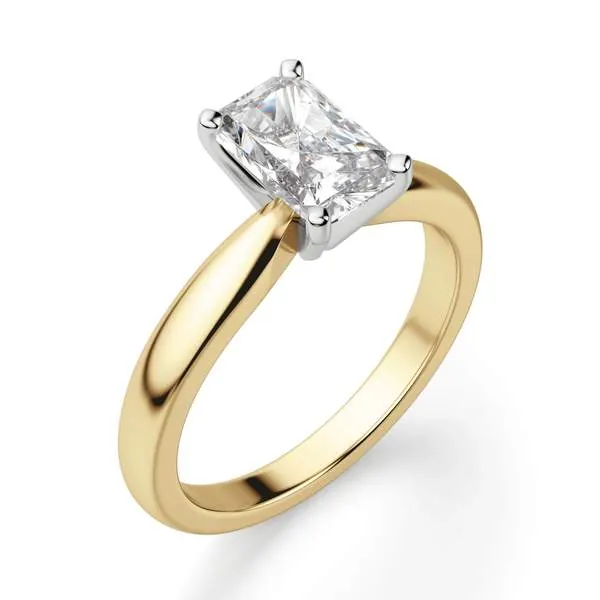 OmaraTimeless Solitaire RingFrom $1,890 · View at partner →
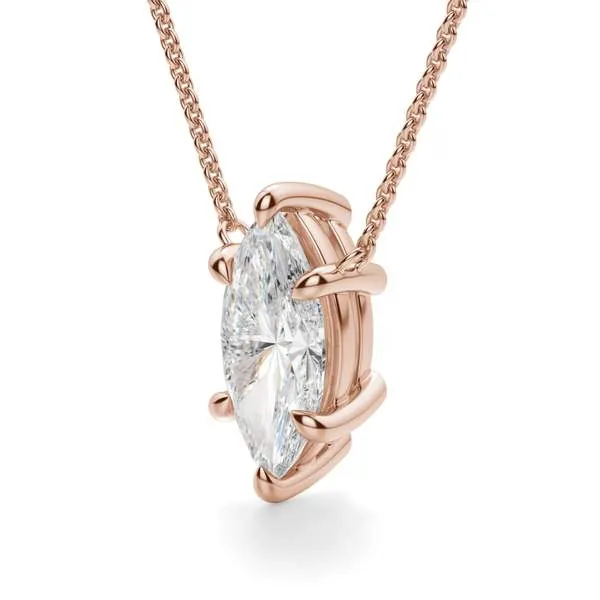 OmaraMarquise Claw-Prong Lab Diamond NecklaceFrom $890 · View at partner →
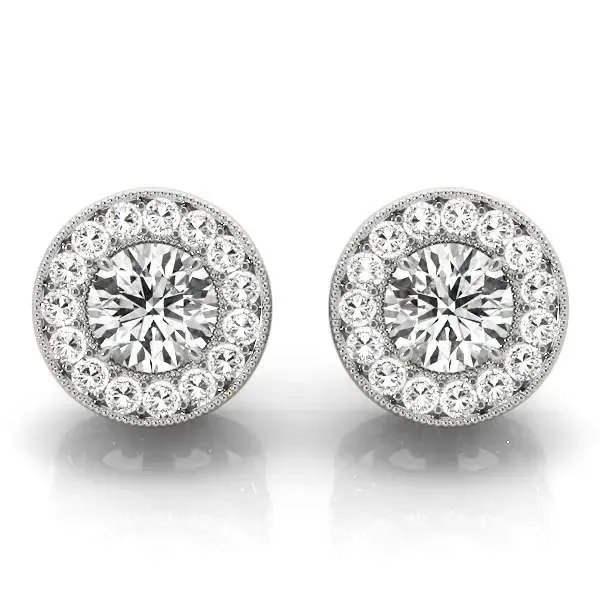 OmaraRadiant Diamond Stud EarringsFrom $1,450 · View at partner →
Prices and availability are set by each retailer and may change. Confirm details, sizing and returns on the retailer's page before you buy.
Frequently asked questions
Are lab-grown diamonds real diamonds?
Yes. They have the same chemical, physical and optical properties as mined diamonds; only their origin differs.
Which certificate should a lab-grown diamond have?
An independent grading report, most commonly from IGI or GIA, confirming the stone is laboratory-grown and describing its 4Cs.
Which of the 4Cs matters most?
Cut, because it controls how much light and sparkle the diamond returns. Then choose eye-clean colour and clarity for your budget.