How to Choose Lab Diamond vs Natural Diamond
Quick answer
Deciding how to choose lab diamond vs natural diamond jewelry comes down to weighing origin, certification, and long-term value against stone size and overall look. Lab-grown diamonds are created in controlled lab conditions and share the same optical and chemical properties as mined stones, often letting retailers offer larger or higher-clarity options for a given spending plan. Natural diamonds carry a geological rarity story and a longer-established resale market. Compare both against your priorities and the retailer's certification before deciding.
- Origin and how each stone forms
- Certification and grading report details
- Carat size and clarity for a given spending plan
- Environmental and sourcing considerations
- Resale and long-term value expectations
- Metal setting and design options available
Key takeaways
- Lab-grown and natural diamonds share the same optical, chemical, and physical properties, so both are graded on the same cut, color, clarity, and carat criteria.
- Certification reports from independent grading labs typically state whether a stone is lab-grown or natural, so this detail should always be confirmed on the product listing.
- Retailers commonly market lab-grown diamonds as a way to reach a larger carat weight or higher clarity grade for a given spend, based on their own published descriptions.
- Resale and appraisal pathways built around lab-grown diamonds are newer than those established for natural stones, which can affect long-term value expectations.
- The metal setting, such as gold karat or platinum, is chosen independently of whether the center stone is lab-grown or natural.
At a glance
| Aspect | Lab-grown diamond | Natural diamond |
|---|---|---|
| Origin | Produced in controlled laboratory conditions over a relatively short period | Formed naturally underground over long geological timeframes |
| Grading criteria | Assessed on the same cut, color, clarity, and carat scale as mined stones | Assessed on the same cut, color, clarity, and carat scale as lab-grown stones |
| Certification | Can include a grading report that specifies lab-grown origin; confirm on the listing | Can include a grading report that specifies natural origin; confirm on the listing |
| Carat-for-spend positioning | Often marketed as allowing a larger stone or higher clarity for a given spend | Often tied to a rarity narrative rather than maximizing carat per spend |
| Metal and setting options | Available in gold and platinum settings depending on the retailer | Available in gold and platinum settings depending on the retailer |
| Resale pathway | Resale and appraisal channels are newer and less standardized | Resale and appraisal channels are more established |
Comparative analysis
| Option | Best for | Key advantage | Main limitation |
|---|---|---|---|
| Lab-grown diamond | Shoppers who prioritize stone size, clarity options, and traceable lab origin | Retailers often list larger carat or higher clarity options for a given spend | Resale and appraisal infrastructure is still less established across the market |
| Natural diamond | Shoppers who value geological rarity and a long-established grading history | Longer-established certification and resale channels | Larger or higher-clarity natural stones typically involve a higher relative cost per carat |
Key differences
How each diamond forms
Lab-grown diamonds are produced using processes designed to replicate the conditions that create diamonds in nature, compressed into a controlled setting. Natural diamonds form underground over long geological periods before being mined. Both result in a crystal made of carbon, which is why grading labs use the same scale for both types.
How grading and certification compare
Both lab-grown and natural stones can come with a certification or grading report describing cut, color, clarity, and carat weight. The report should also state the stone's origin. Always check that the listing specifies which type of report accompanies the piece, since this detail is not always stated prominently.
How carat size and clarity options compare
Because lab-grown diamonds are produced rather than mined, retailers frequently market them as a way to access a larger center stone or a higher clarity grade for a given spending plan. Natural diamonds in the same size or clarity tier are generally positioned by retailers as carrying a higher relative cost per carat, reflecting their rarity.
How sourcing and traceability compare
Lab-grown diamonds are typically described by retailers as having a traceable manufacturing origin. Natural diamonds rely on mining supply chains, and sourcing practices can vary by retailer and region. Shoppers who care about this should review each seller's own sourcing statements rather than assuming a single standard applies across the market.
How resale and sentimental value compare
Natural diamonds benefit from a longer-established resale and appraisal history, which can matter for buyers thinking about future value. Lab-grown diamonds are newer to the broader resale market, so expectations around resale should be treated as still developing rather than guaranteed.
Best by scenario
Which fits an engagement ring with a larger-looking center stone?
Shoppers who want a cushion-cut center stone with flexibility on metal tone may look at the Diamond Diva cushion-cut ring in rose gold, the same cushion-cut design in white gold, the yellow gold version, or the platinum setting. Each uses a lab-grown center stone, so the choice mainly comes down to preferred metal tone and setting material.
Which suits a symbolic wedding band gift?
For a wedding-day gift built around a design motif rather than a large solitaire, the Infinite Bliss Diamond Ring uses a beaded band design with a lab-grown diamond centerpiece, while the Together Diamond Ring uses a rope-style band intended to symbolize connection. Both are listed in 14K gold.
Which fits a minimalist slim-band preference?
Readers who want a simpler silhouette rather than an ornate band may prefer the Completion Diamond Ring, described by the retailer as a slim-band design with a round lab-grown diamond, also in 14K gold.
Which works for a diamond stud earring gift?
For gift buyers choosing earrings rather than a ring, the Spark Diamond Stud Earrings pair a brilliant-cut lab-grown diamond with a 14K gold setting, according to the retailer's listing.
Which suits a buyer who wants the traditional natural-diamond narrative?
Readers who specifically want a natural stone rather than a lab-grown one should prioritize retailers and listings that clearly state natural origin and an accompanying grading report, since the verified products referenced in this guide are lab-grown. The lab diamond buying guide explains how to compare listings for origin details before buying.
How we chose
No hands-on testing was performed for this guide. The article is based on published product information, available specifications, retailer descriptions, and practical buying criteria.
The jewelry pieces referenced throughout this guide were selected because their retailer-listed details specifically state a lab-grown diamond center stone, a confirmed metal type, and a described design style, which allowed each piece to be matched to a particular scenario such as engagement rings, symbolic wedding bands, or stud earrings. Pieces without clearly stated diamond origin or metal details were not included in the scenario recommendations.
How to Choose Lab Diamond vs Natural Diamond for Your Jewelry
- Decide what matters more: origin story or stone size. This shapes whether you lean toward a lab-grown or natural stone, and prevents buyer's remorse from choosing based on price alone without considering what you actually value.
- Set a spending plan before comparing carat weights. Carat-for-spend positioning differs between the two types, and knowing your plan in advance prevents overspending or settling for a smaller stone than you wanted.
- Confirm the certification and grading report listed by the retailer. This verifies origin, cut, color, clarity, and carat, and prevents buying a stone without documentation to support its description.
- Check metal purity and setting type, such as 14K gold or platinum. This affects durability expectations and style, and prevents confusion about what the band is actually made of.
- Confirm ring or band sizing options and any resizing policy. This avoids fit problems after purchase and prevents a costly or inconvenient resizing process later.
- Review the retailer's return, exchange, and warranty policy. This matters especially for gifts, and prevents being stuck with a non-returnable item if sizing or preferences change.
- Ask about shipping timelines and insurance for high-value items. This protects against loss or damage in transit and prevents disputes if a package arrives late or damaged.
Limitations and checks
Carat weight, metal karat, specific certification details, and current availability can change or vary by listing, and should be verified directly on the retailer's product page before purchase. This article cannot confirm individual grading report numbers, current stock, exact pricing, or shipping timelines, since no hands-on testing or live verification of listings was performed. Readers planning a significant purchase should also confirm return and warranty terms directly with the seller, as policies can differ between retailers and may change over time.
Shop the picks
Products and prices from Foreo US, Gift Lab, Hey Happiness, Omara Jewelry, Scorpify, checked on November 6, 2026. Prices and availability can change; confirm on the retailer's page.
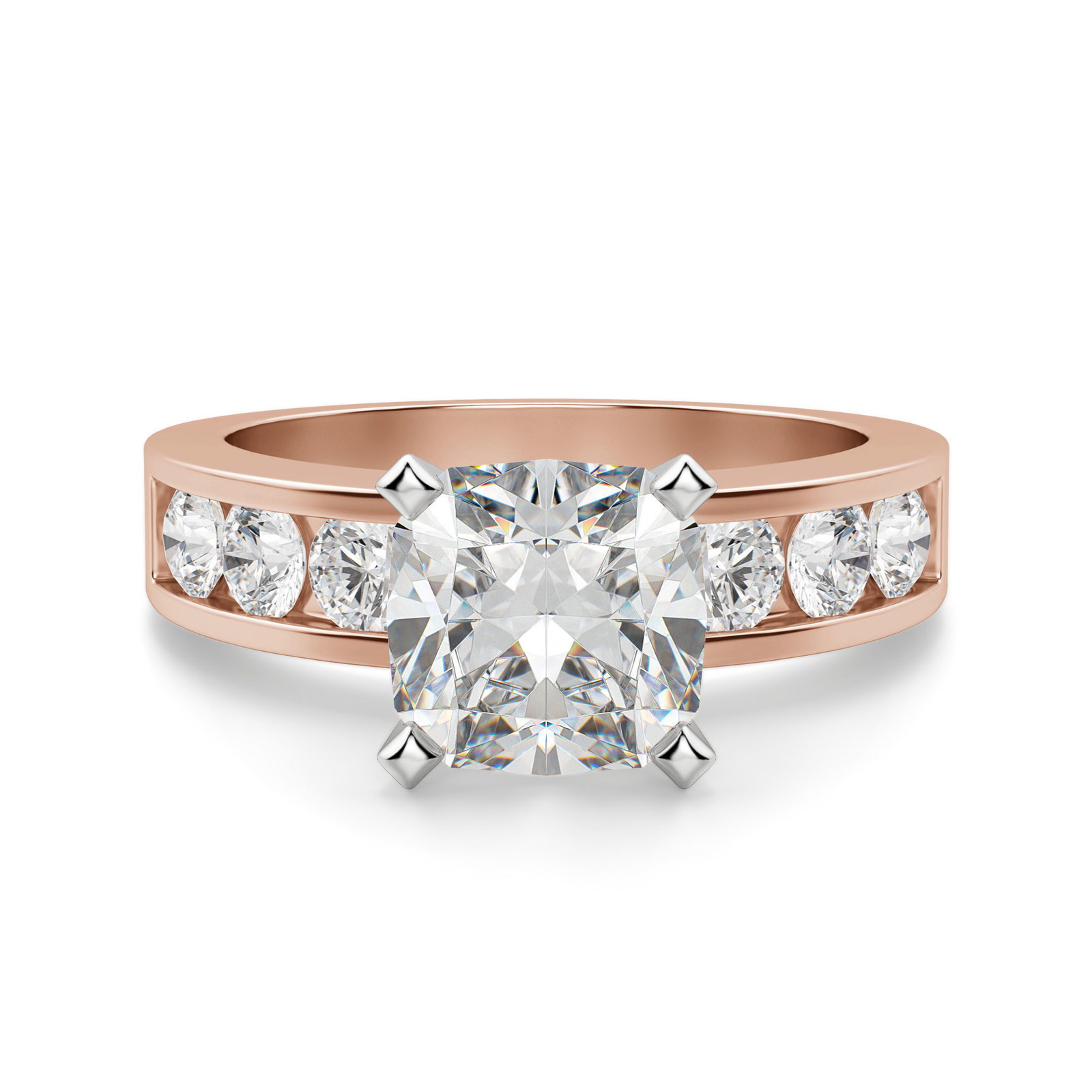 Diamond Diva Poduszkowy 0.50 ct Pierścionek ZaręczynowyDiament Laboratoryjny 585 Różowe Złoto (14KPLN 7438.00Check Diamond Diva Poduszkowy 0.50 ct Pierścionek Zaręczynowy price and specs at Omara Jewelry
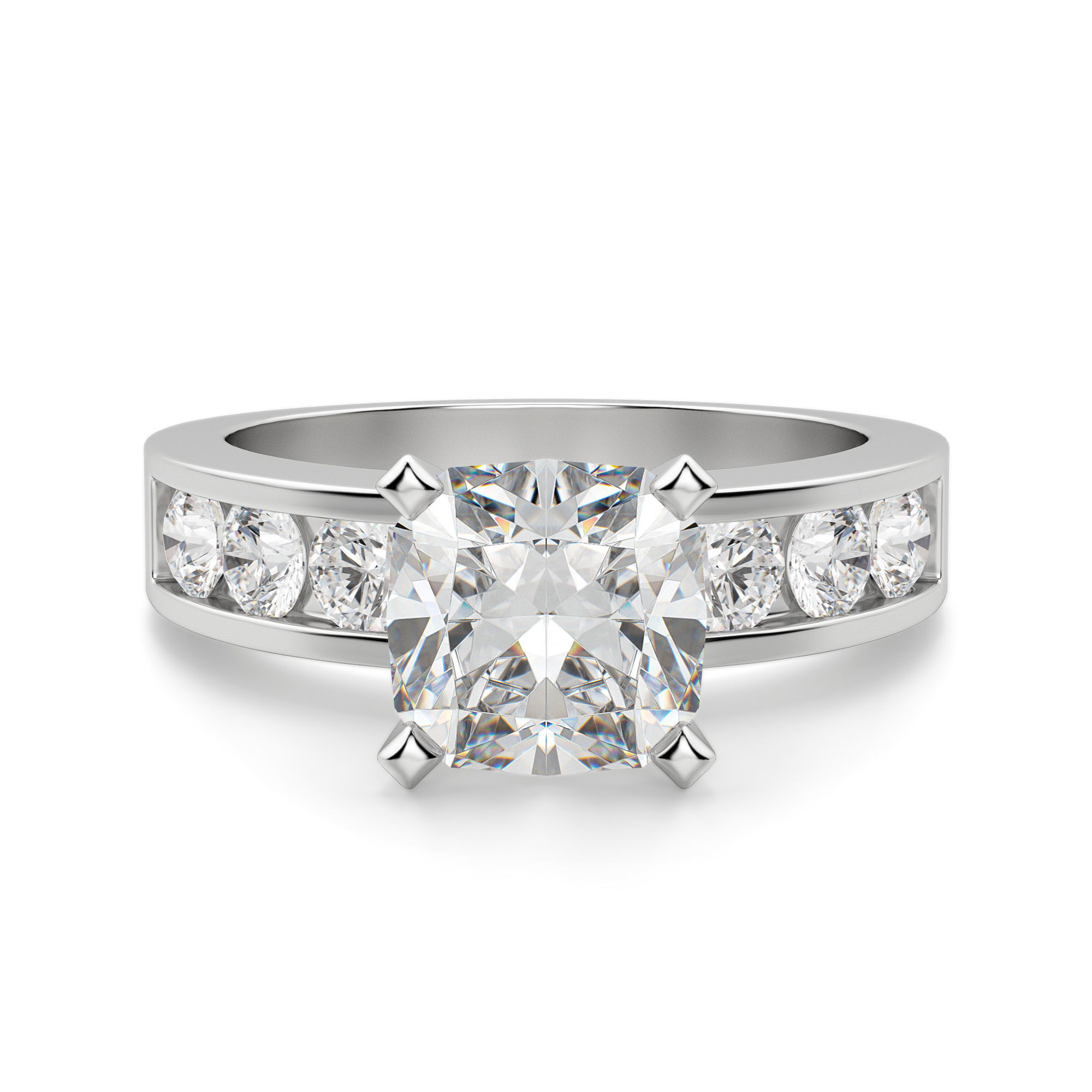 Diamond Diva Poduszkowy 0.50 ct Pierścionek ZaręczynowyDiament Laboratoryjny 585 Białe Złoto (14KPLN 7486.00Check Diamond Diva Poduszkowy 0.50 ct Pierścionek Zaręczynowy price and specs at Omara Jewelry
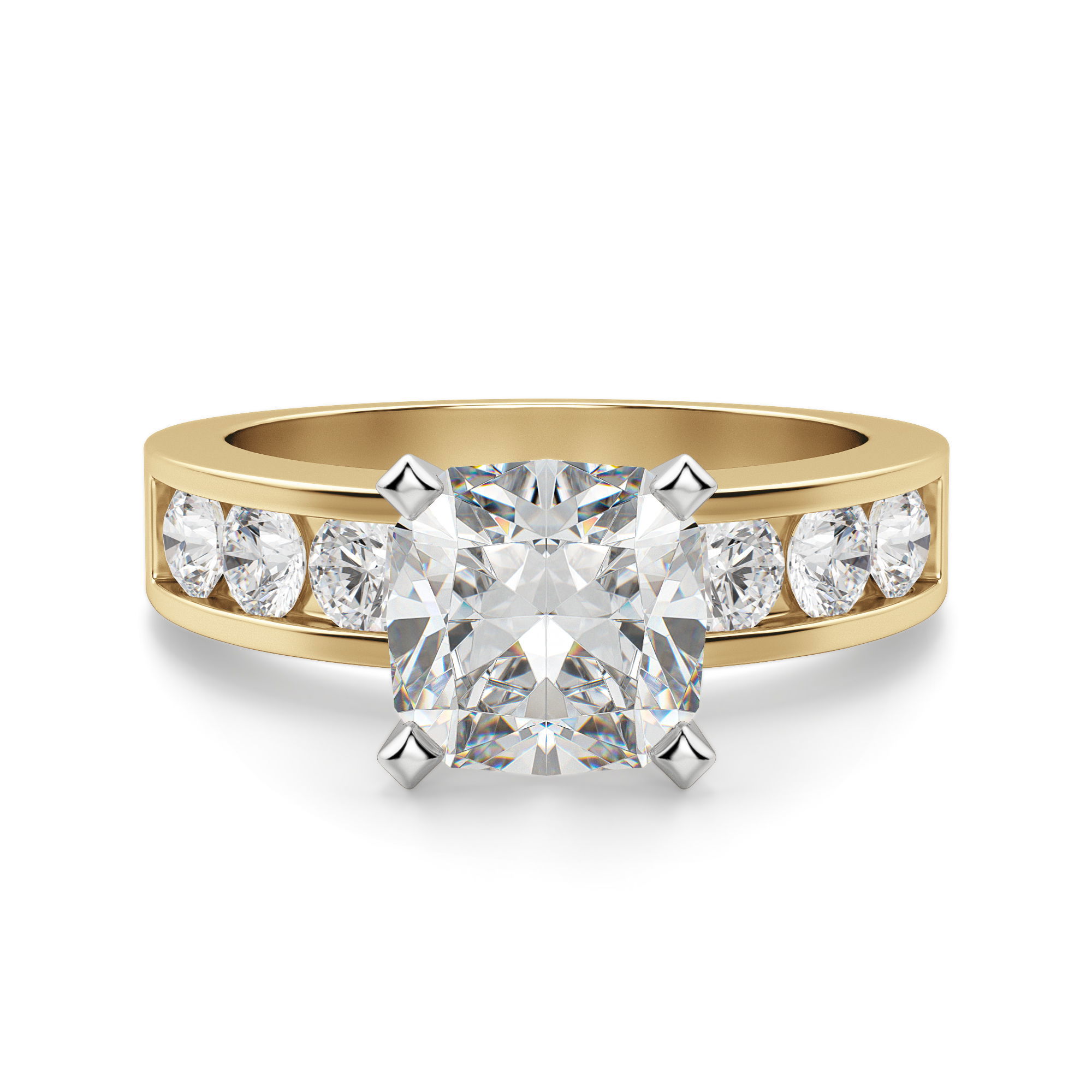 Diamond Diva Poduszkowy 0.50 ct Pierścionek ZaręczynowyDiament Laboratoryjny 585 Żółte Złoto (14KPLN 7438.00Check Diamond Diva Poduszkowy 0.50 ct Pierścionek Zaręczynowy price and specs at Omara Jewelry
- Diamond Diva Poduszkowy 0.50 ct Pierścionek ZaręczynowyDiament Laboratoryjny 950 PlatynaPLN 7715.00Check Diamond Diva Poduszkowy 0.50 ct Pierścionek Zaręczynowy price and specs at Omara Jewelry
 Infinite Bliss Diamond Ring 14K Gold€349.00Check Infinite Bliss Diamond Ring 14K Gold price and specs at Hey Happiness
 Together Diamond Ring 14K Gold€319.00Check Together Diamond Ring 14K Gold price and specs at Hey Happiness
 Spark Diamond Stud Earrings 14K Gold€168.00Check Spark Diamond Stud Earrings 14K Gold price and specs at Hey Happiness
 Completion Diamond Ring 14K Gold€369.00Check Completion Diamond Ring 14K Gold price and specs at Hey Happiness
 Custom Geometric Diamond Glitter iPhone CaseProtective & Shockproof$15.95Check Custom Geometric Diamond Glitter iPhone Case price and specs at Gift Lab
 Luxury Custom Diamond iPhone Case$19.95Check Luxury Custom Diamond iPhone Case price and specs at Gift Lab
 Pink Diamond Lustre iPhone Case$39.99Check Pink Diamond Lustre iPhone Case price and specs at Scorpify
 White Diamond Lustre iPhone Case$39.99Check White Diamond Lustre iPhone Case price and specs at Scorpify
 Iridescent Diamond Lustre iPhone Case$39.99Check Iridescent Diamond Lustre iPhone Case price and specs at Scorpify
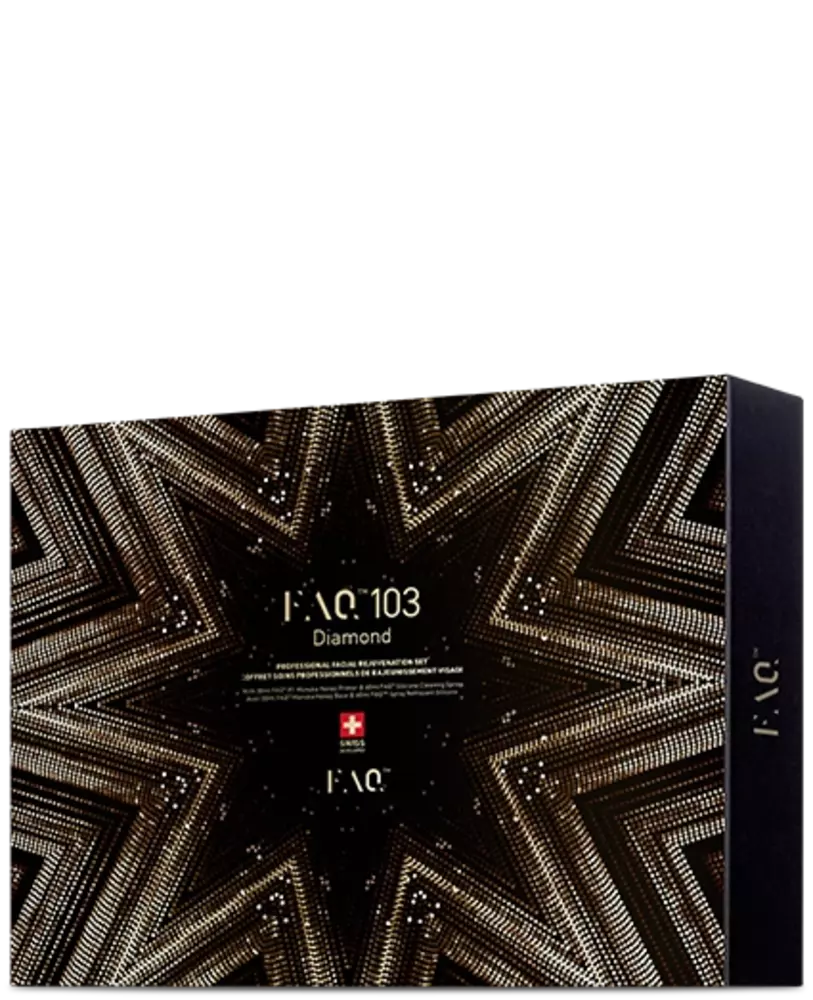 FAQ™ 103 Diamond Set$1290.00Check FAQ™ 103 Diamond Set price and specs at Foreo US
Verified product details
Copied from each retailer's product data on November 6, 2026. We did not test these products. Confirm sizes, compatibility, included accessories and other specifications on the official product page before you buy.
| Model | What the retailer lists | Price checked | Official page |
|---|---|---|---|
| Diamond Diva Poduszkowy 0.50 ct Pierścionek Zaręczynowy | Not listed in the retailer product data | PLN 7438.00 | Check Diamond Diva Poduszkowy 0.50 ct Pierścionek Zaręczynowy at Omara Jewelry |
| Diamond Diva Poduszkowy 0.50 ct Pierścionek Zaręczynowy | Not listed in the retailer product data | PLN 7486.00 | Check Diamond Diva Poduszkowy 0.50 ct Pierścionek Zaręczynowy at Omara Jewelry |
| Diamond Diva Poduszkowy 0.50 ct Pierścionek Zaręczynowy | Not listed in the retailer product data | PLN 7438.00 | Check Diamond Diva Poduszkowy 0.50 ct Pierścionek Zaręczynowy at Omara Jewelry |
| Diamond Diva Poduszkowy 0.50 ct Pierścionek Zaręczynowy | Not listed in the retailer product data | PLN 7715.00 | Check Diamond Diva Poduszkowy 0.50 ct Pierścionek Zaręczynowy at Omara Jewelry |
| Infinite Bliss Diamond Ring 14K Gold | Experience infinite bliss with our Infinite Bliss Diamond Ring. Crafted in solid 14K gold, this exquisite ring features a unique design of small beads that symbolize everlasting love and happiness. The centerpiece is a... | €349.00 | Check Infinite Bliss Diamond Ring 14K Gold at Hey Happiness |
| Together Diamond Ring 14K Gold | Elevate your love with our Together Diamond Ring, expertly crafted in 14K solid gold. The intricate rope design symbolizes the unbreakable bond of togetherness, while the stunning small lab grown diamond adds a touch of... | €319.00 | Check Together Diamond Ring 14K Gold at Hey Happiness |
| Spark Diamond Stud Earrings 14K Gold | Introducing Spark Diamond Stud Earrings, crafted from solid 14K gold and featuring a stunning lab-grown diamond in a brilliant cut. These earrings are a symbol of elegance and radiance, embodying the true meaning of... | €168.00 | Check Spark Diamond Stud Earrings 14K Gold at Hey Happiness |
| Completion Diamond Ring 14K Gold | Experience true love with our Completion Diamond Ring, crafted from luxurious 14K solid gold. With its slim band design and stunning round, lab-grown diamond, it's the perfect symbol of everlasting commitment. Let this... | €369.00 | Check Completion Diamond Ring 14K Gold at Hey Happiness |
Where to buy
Pieces featuring lab-grown diamonds referenced in this guide are listed through Omara Jewelry's diamond jewelry collection, which includes engagement ring styles in multiple metal options, and through Hey Happiness's modern jewelry collection, which includes ring and earring designs in 14K gold. Both are affiliate partners of this site, and current availability, specifications, and policies should be confirmed on their respective product pages.
Verdict
There is no single right answer between lab-grown and natural diamonds; the better choice depends on what you prioritize. Readers focused on reaching a larger stone or higher clarity for a given spending plan may find lab-grown options, such as the cushion-cut ring styles or stud earrings referenced above, align with that goal. Readers who value geological rarity and an established resale history may prefer to search specifically for natural-diamond listings elsewhere. Either way, confirm the grading report, metal details, and return policy before buying, and use the linked buying guides to compare specific ring and earring styles in more depth.
Frequently asked questions
Are lab-grown diamonds real diamonds?
Yes, lab-grown diamonds are made of the same carbon crystal structure as mined diamonds, and grading labs assess them using the same cut, color, clarity, and carat criteria. The difference is in how the stone is created rather than its chemical makeup, so a certified lab-grown diamond is still a genuine diamond rather than a simulant.
Do lab-grown diamonds pass standard diamond testers?
Generally yes, since basic thermal diamond testers check for diamond material rather than origin, and lab-grown diamonds share that material composition. Distinguishing lab-grown from natural typically requires specialized equipment used by grading labs rather than a handheld consumer tester, which is one reason a proper certification report matters.
Which holds value better, lab-grown or natural diamonds?
Natural diamonds currently have a more established resale and appraisal market, based on their longer trading history. Lab-grown diamonds are newer to that market, so resale expectations are less predictable. Anyone buying primarily as an investment should research current resale channels for each type rather than assuming either option holds value in the same way.
Are lab-grown diamonds certified the same way as natural diamonds?
Both types can come with a grading report from an independent lab that documents cut, color, clarity, and carat, and the report should also state whether the stone is lab-grown or natural. Not every listing includes this documentation, so it is worth confirming the certification details directly on the product page before purchase.
Can you tell a lab-grown diamond apart from a natural one by eye?
Not reliably, since lab-grown and natural diamonds share the same optical properties, including how they reflect and refract light. Visual inspection alone is not considered a dependable way to distinguish the two, which is why a grading report or specialized testing equipment is used instead.
Is one option more environmentally friendly than the other?
Sourcing and environmental impact can vary by producer and mining operation for both lab-grown and natural diamonds, and claims in this area differ between retailers. Shoppers who care about this should review each seller's specific sourcing statements rather than assuming one category is universally better, since practices are not standardized across the industry.
Which is better for an engagement ring specifically?
It depends on your priorities rather than one option being universally better. Lab-grown diamonds may suit buyers who want a larger or higher-clarity stone for a given spend, while natural diamonds may suit buyers who prioritize rarity and an established resale market. Review the key differences and scenario sections above to match the choice to your priorities.
Do lab-grown diamonds come in the same cuts and settings as natural diamonds?
Yes, lab-grown diamonds are generally available in the same common cuts, such as cushion and round brilliant, and can be set in the same metal types, including gold and platinum. Specific cut and setting availability still depends on the individual retailer and listing, so check each product page for confirmed options.
Sources and further reading
Independent references on topics covered in this guide. We are not affiliated with these organizations.
Official product pages: manufacturer and retailer pages for the specifications above. These are partner links: we may earn a commission.
- Omara Jewelry: Diamond Diva Poduszkowy 0.50 ct Pierścionek Zaręczynowy product page
- Omara Jewelry: Diamond Diva Poduszkowy 0.50 ct Pierścionek Zaręczynowy product page
- Omara Jewelry: Diamond Diva Poduszkowy 0.50 ct Pierścionek Zaręczynowy product page
- Omara Jewelry: Diamond Diva Poduszkowy 0.50 ct Pierścionek Zaręczynowy product page
- Hey Happiness: Infinite Bliss Diamond Ring 14K Gold product page
- Hey Happiness: Together Diamond Ring 14K Gold product page
Related guides
Also on Amazon
Handy extras our readers pick up on Amazon. Compare reviews and delivery times before you buy.
Jewelry cleanerBring back the sparkle on diamonds, gold and silver.Check price on Amazon
Jewelry organizer boxKeep rings, earrings and chains sorted and tangle-free.Check price on Amazon
Travel jewelry caseA compact, padded case for trips and weekends away.Check price on Amazon
Ring dishA safe spot for rings while you wash or sleep.Check price on Amazon
Search Amazon for more options and compare reviews and delivery times.
As an Amazon Associate I earn from qualifying purchases.